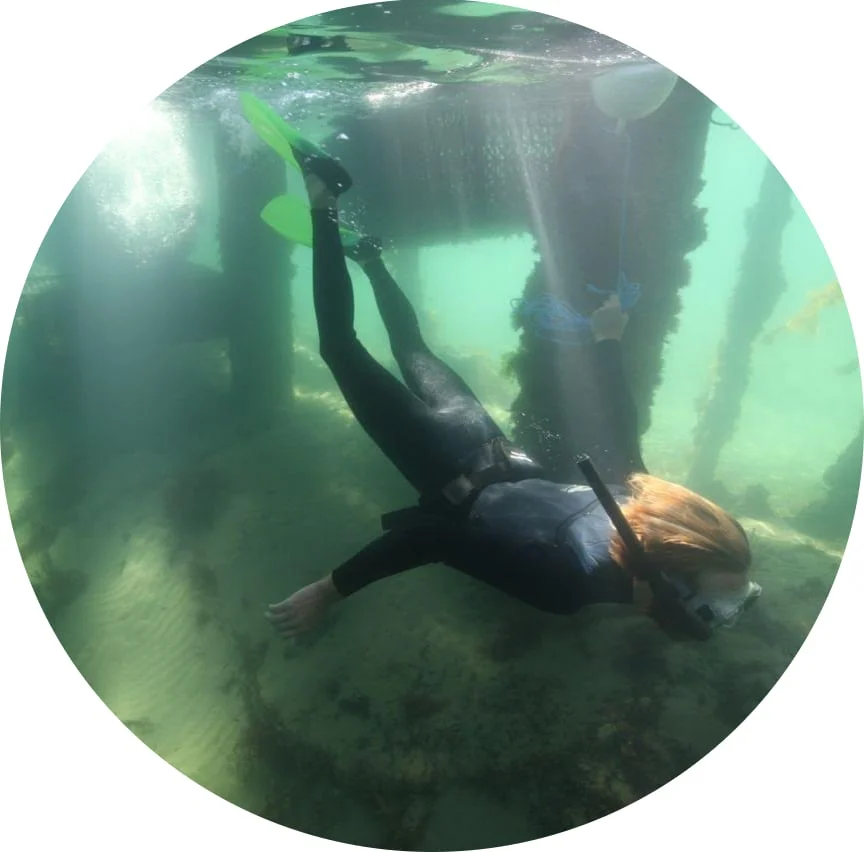
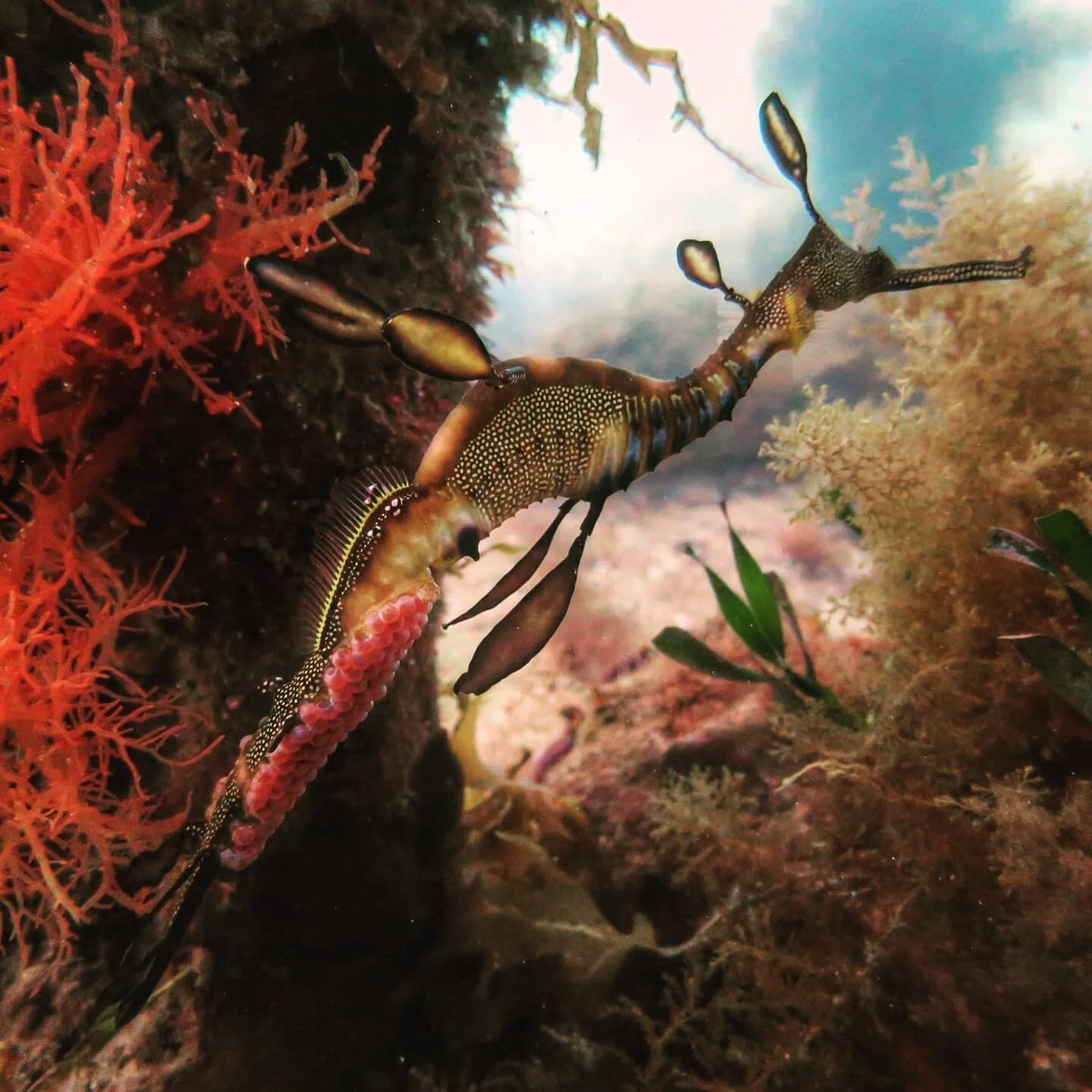
IPMEN Conference 2023 on the lands of the Songhees, Esquimalt and W̱SÁNEĆ.
Ocean Networks Canada hosted IPMEN 2023 at the University of Victoria. Full programme, session notes, and keynotes recorded.
Saltwater Projects is a non-profit research and education collective running ocean literacy programs, long-term citizen-science datasets, and sustained partnerships with Traditional Owners across Australian and Pacific waters.
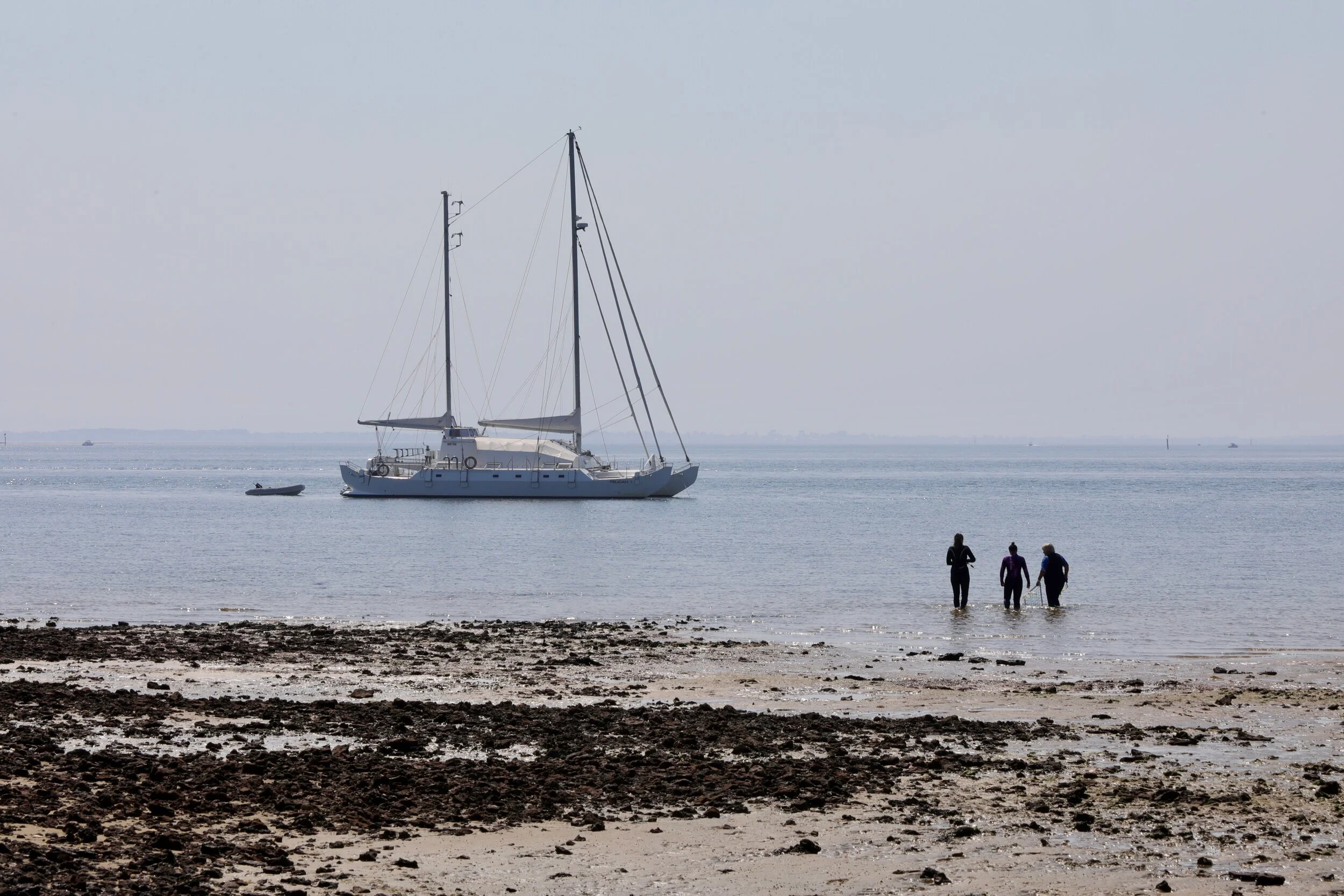
Saltwater Projects is a not-for-profit collective of artists, mariners, scientists, sound recordists and educators founded on the lands of the Boonwurrung and Bunurong peoples in 1998.
We run multi-year field programs from Pelican1, a purpose-built 40-foot gaff ketch. Our work sits deliberately at the intersection of marine science, Indigenous knowledge, and public education — and is organised around the NMEA Ocean Literacy framework with a Saltwater-originated eighth principle recognising Sea Country sovereignty.
Two Bays (2006–2021) is our longest-running field program and a UNESCO-IOC recognised case study in ocean literacy practice.
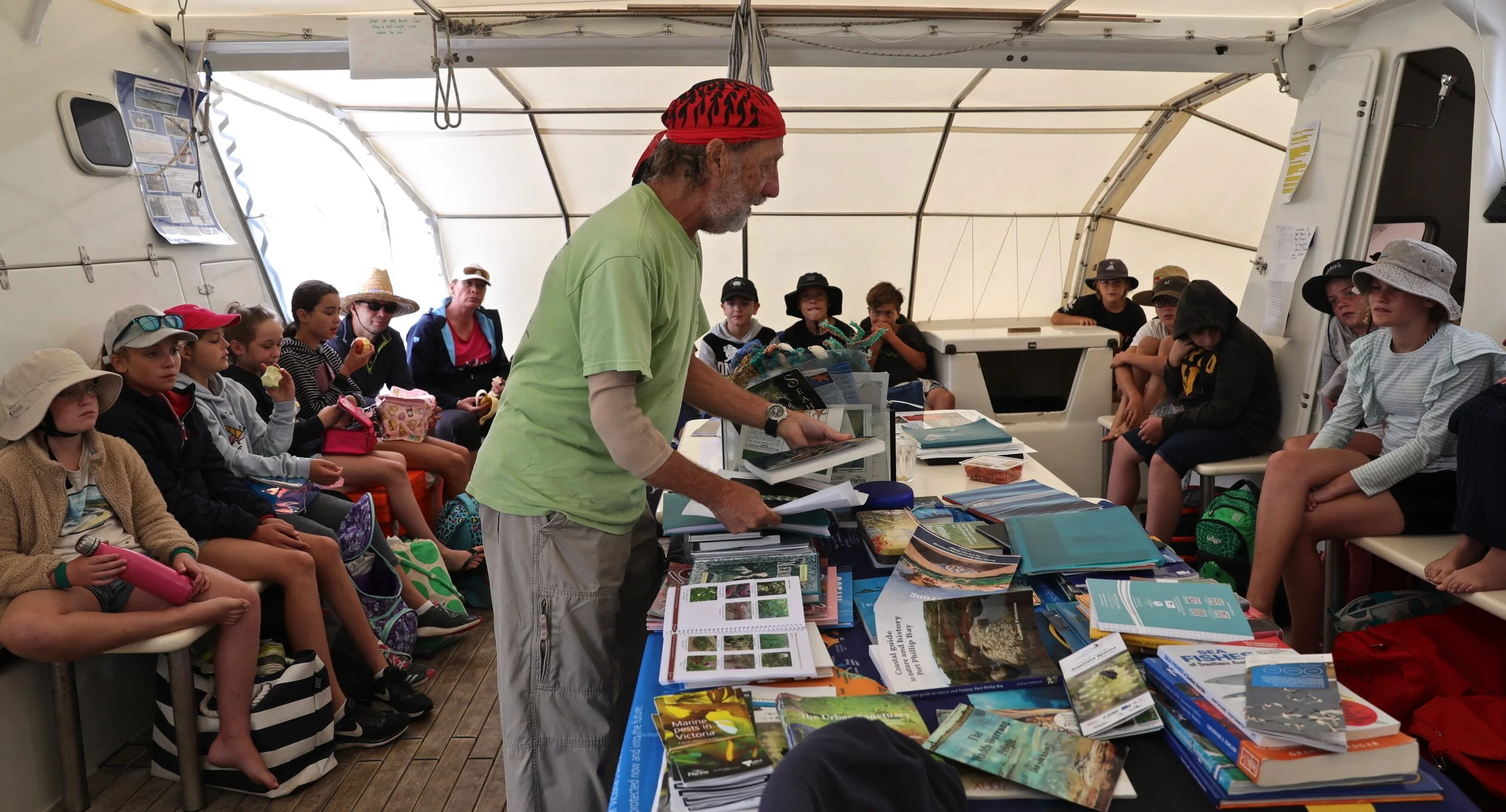
Port Phillip and Western Port are connected catchments supporting Ramsar-listed wetlands and a significant portion of Victoria's coastal ecosystem services. The Two Bays program developed the first continuous multi-year dataset spanning both bays — covering water quality, microplastics, marine pests, acoustic ecology and climate signal — while simultaneously delivering a curriculum co-designed with Kulin Traditional Owners and partner primary schools.
Micro-plastic counts rose steadily through the program while passive acoustic hours more than doubled — in part because passive acoustic sampling stations were progressively added, in part because the pandemic-era reduction in recreational boat traffic revealed a quieter baseline.
Both indicators correlate with increased storm-event intensity flushing the Elster Creek catchment.
| № | Program | Period | Sea Country | Discipline | Status |
|---|---|---|---|---|---|
| 15 | Takao Declaration · IPMEN Kaohsiung 20th anniversary IPMEN; Saltwater contributed programming and co-signed. | 2025 | Kaohsiung, TW | Policy | Complete |
| 14 | IPMEN 2023 · W̱SÁNEĆ Co-hosted with Ocean Networks Canada at University of Victoria. | 2023 | Vancouver Is., BC | Conference | Complete |
| 13 | Chain of Ponds · Elster Creek Urban rewilding on Boon Wurrung Country; nine-hole golf course to healthy wetlands. | 2021— | Boon Wurrung · VIC | Rewilding | Ongoing |
| 12 | Reveil · Elster Creek hydrophone Deep listening installation at Monash Bridge. | 2022 | Elsternwick · VIC | Sound | Complete |
| 11 | Hope Vale / Pelican UNESCO-recognised long-term collaboration with Guugu Yimithirr Traditional Owners. | 2013— | Guugu Yimithirr · QLD | Sea Country | Ongoing |
| 10 | Two Bays program 15-year water quality, microplastics, acoustic and curriculum program. | 2006—21 | Kulin · VIC | Research | Archived |
| 09 | IFAW Cetacean Survey Pygmy blue & southern right whales, Backstairs Passage. | 2013 | Kangaroo Is. · SA | Research | Complete |
| 08 | Sound Works — Festival of Sails Sound walk & Saltwater forum. | 2019—20 | Port Phillip · VIC | Sound | Complete |
| 01 | If It Doesn't Kill You 5-part SBS documentary series — origin project. | 1998—99 | Bass Strait | Documentary | Complete |
We teach to the seven principles established by the National Marine Educators Association. We then add an eighth, in recognition that Indigenous Science is not supplementary to western marine research — it is foundational, long-held, and continuous.
One interconnected circulation system moving water, heat, matter and organisms.
Siliceous and carbonate rocks, coastal erosion, tectonic influence.
Half of Earth's primary productivity takes place in the sunlit ocean.
Most atmospheric oxygen originally came from photosynthetic ocean organisms.
Microbes to blue whales; most of Earth's living space is ocean.
Food, medicines, transport, climate regulation — and responsibility.
Less than 5% has been explored. Opportunity for discovery is immense.
Co-authored with VACCA, Youthworx, Boonwurrung Foundation and Traditional Owners across the continent. Every principle can be worked with Indigenous perspective embedded.
We rarely visit a place just once. Most marks are voyages we have returned to across years or decades, in close working relationship with the Traditional Owners of those waters.
Ocean Networks Canada hosted IPMEN 2023 at the University of Victoria. Full programme, session notes, and keynotes recorded.
Two Bays and Hope Vale / Pelican are among the case studies referenced in the UNESCO-IOC report on Ocean Literacy.
A 24-hour global deep-listening event; our Monash Bridge hydrophone contributed its first year of broadcasts to the Reveil network.
We partner with schools, research institutions, foundations, and community organisations. The Saltwater crew is always larger than the vessel — and always growing.