IPMEN 2023 on the lands of the Songhees, Esquimalt & W̱SÁNEĆ.
Ocean Networks Canada hosted IPMEN at the University of Victoria, BC. We acknowledge the lək̓ʷəŋən peoples on whose traditional territory the campus stands.
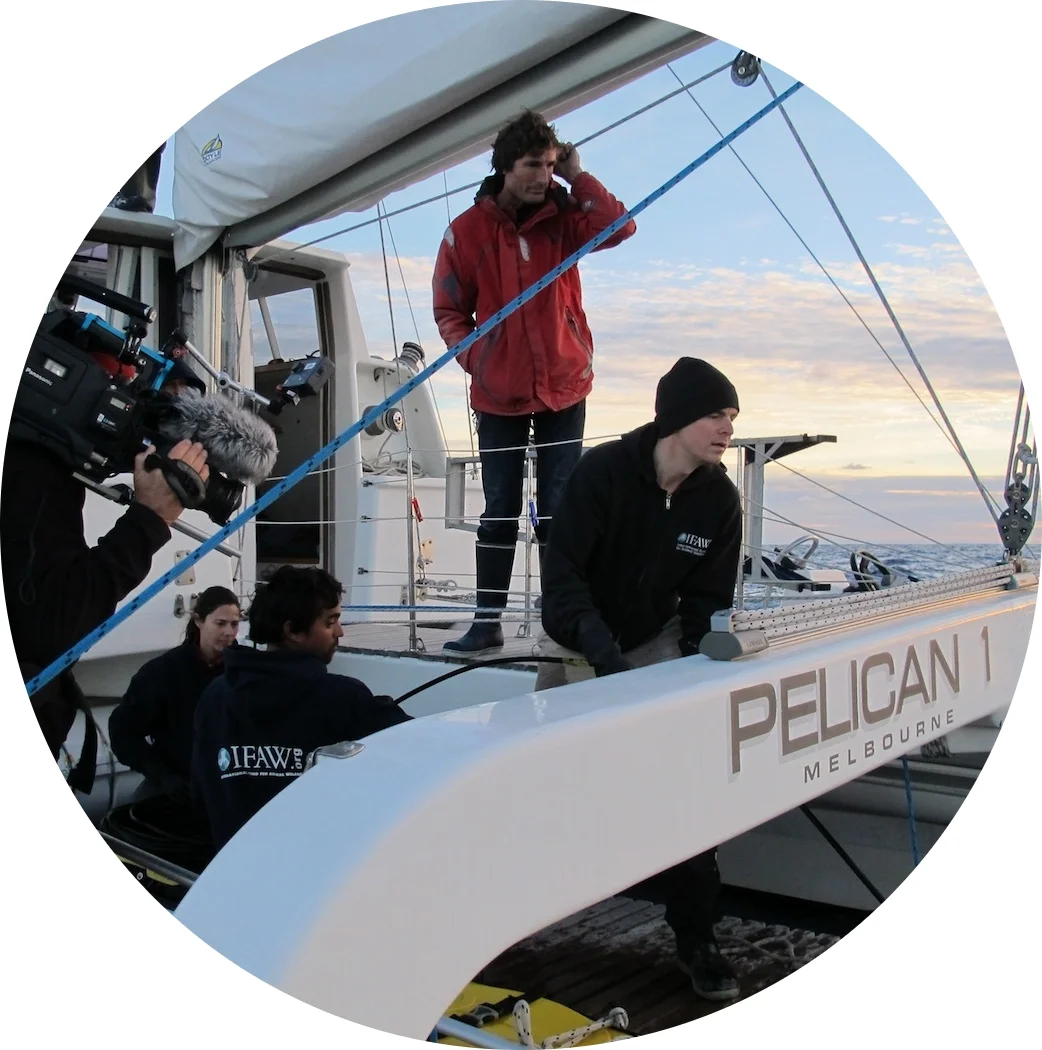
A not-for-profit collective of artists, mariners, scientists and Traditional Owners — working the decks of Pelican1 since 1998.
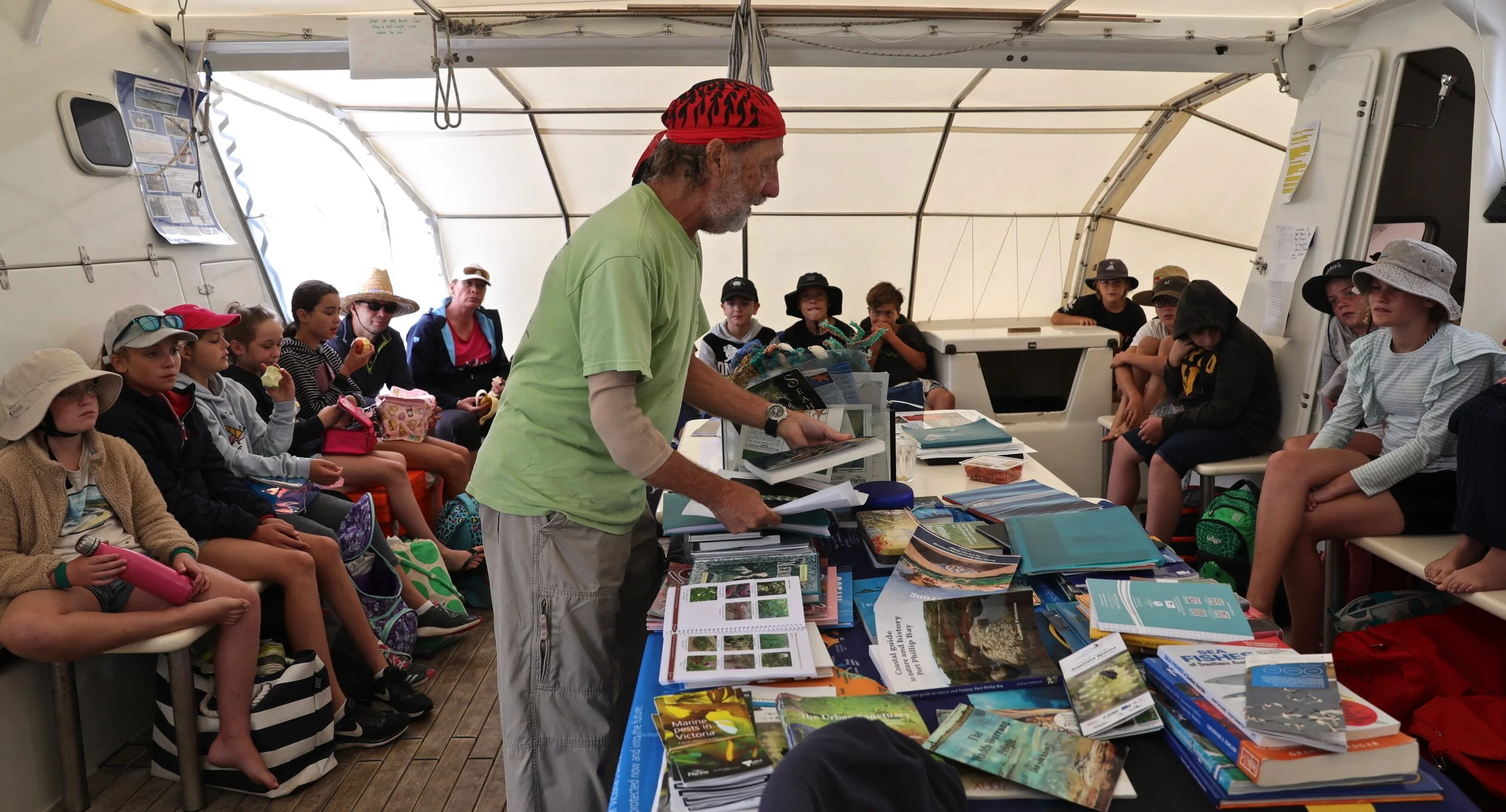
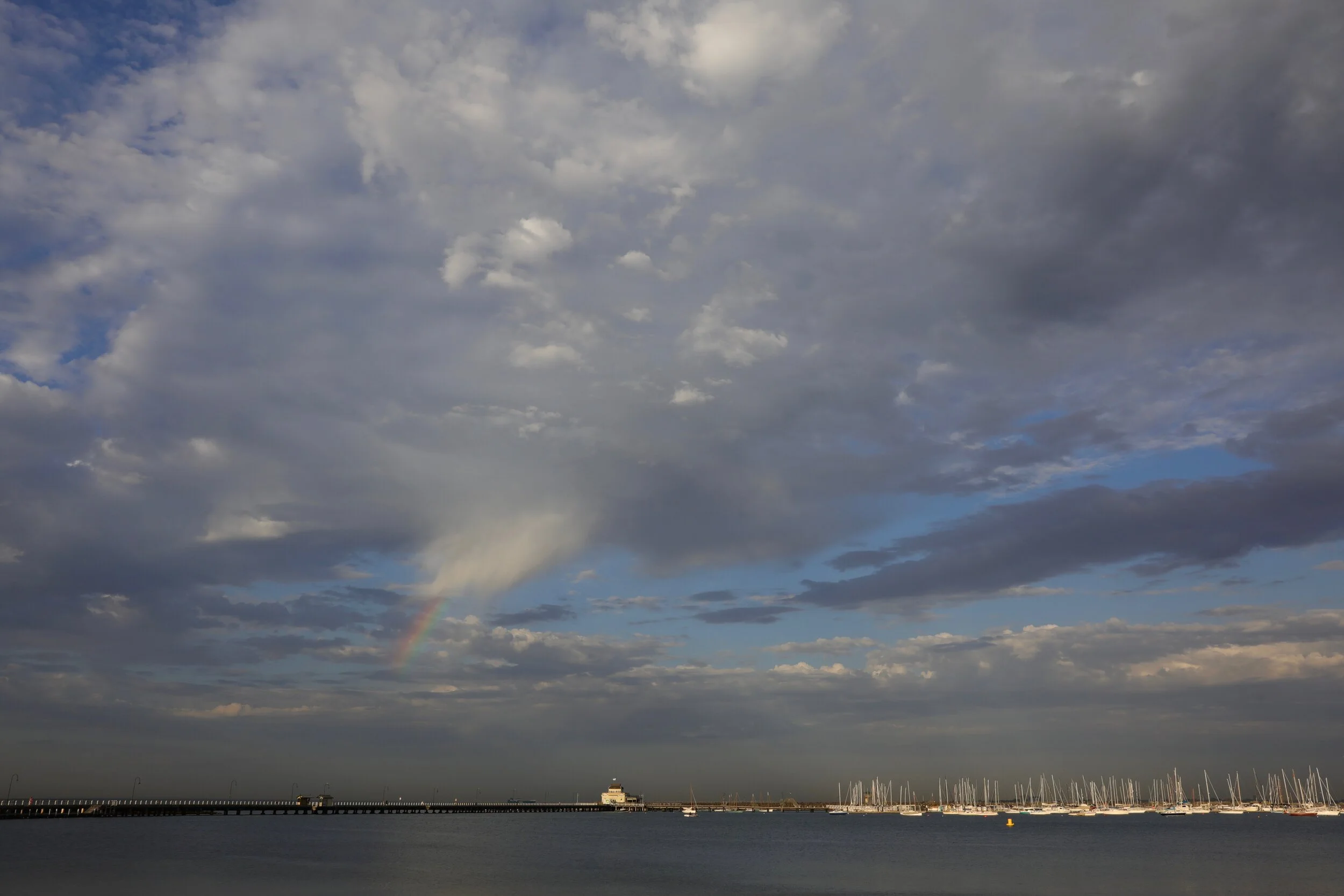
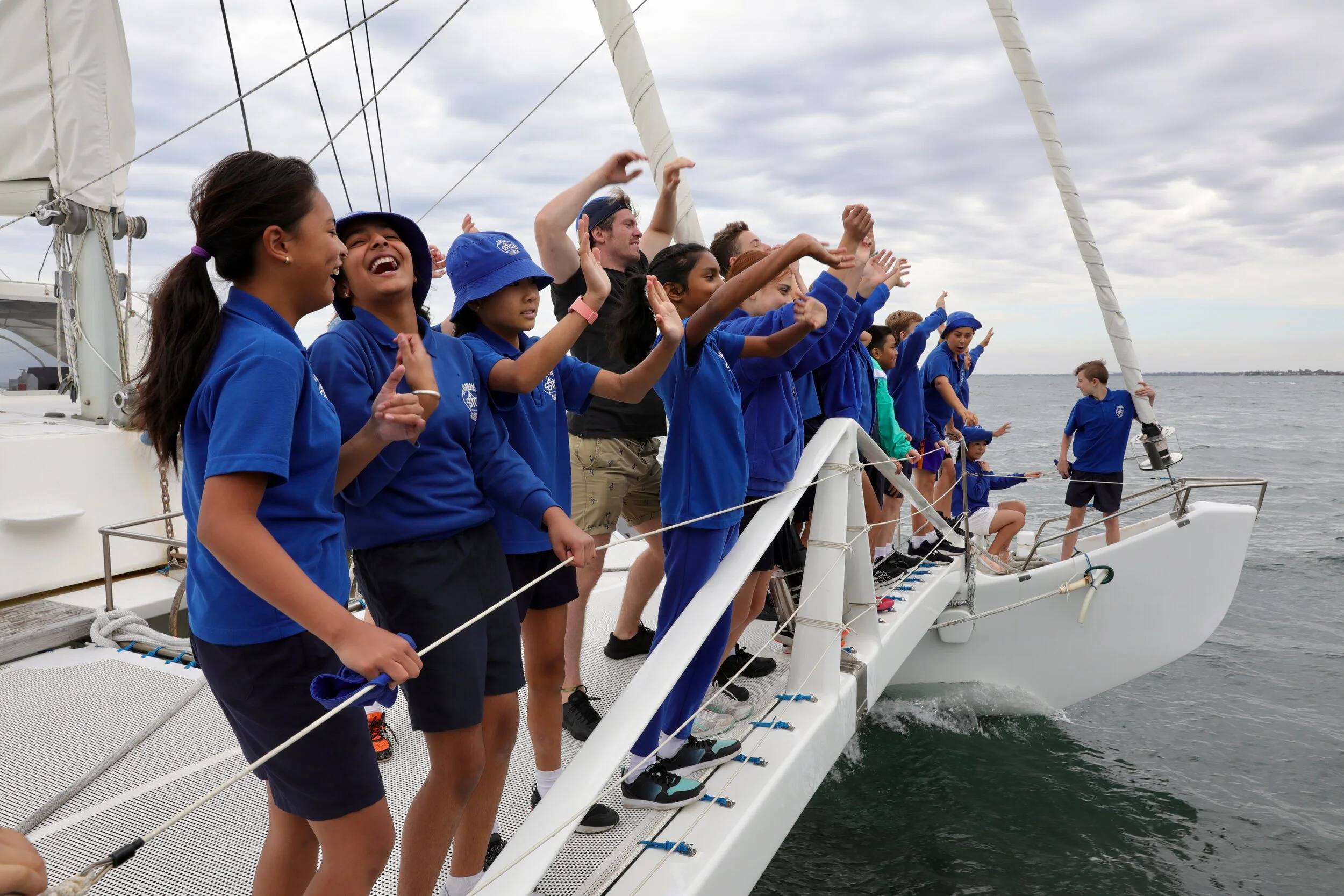
Nairm. First light. Bay quiet and the gannets already gone east. Three Year-5 classes aboard today; we'll drop a hydrophone at Pope's Eye and trawl for microplastic at the Great Sands.
The students always feel the tilt of the deck before they find the science. We work with that.


Saltwater Projects is a not-for-profit collective based on the lands of the Boonwurrung and Bunurong peoples. When we began building Pelican1 in 1998, climate change already felt urgent — a seemingly crazy project by artists to build a boat and create sea projects to share ocean issues and beauty with the broader community seemed, to us, a really good idea.
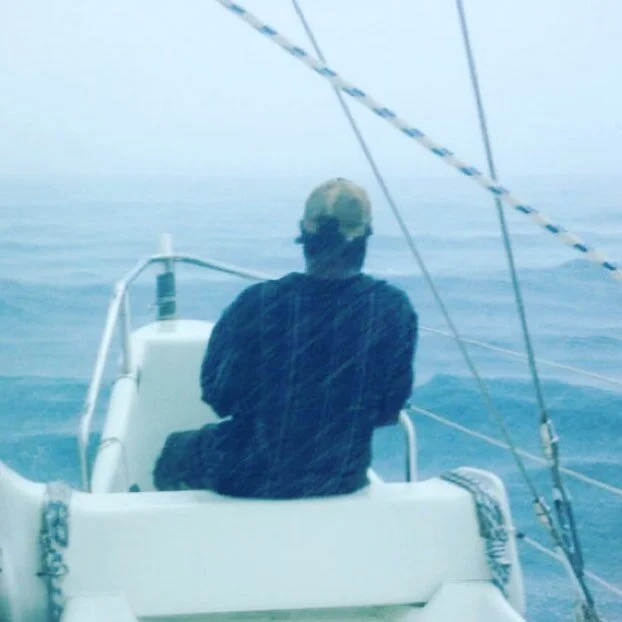
Engagement with science and Indigenous Culture are core themes. We work closely with First Nations people, connecting to Sea Country, and acting as a platform for collaborative, inter-disciplinary projects with social justice as a core ethic. Our work spans documentary film, sound art, citizen science, curriculum co-design, and long-duration expeditions on a 40-foot gaff-rigged ketch.
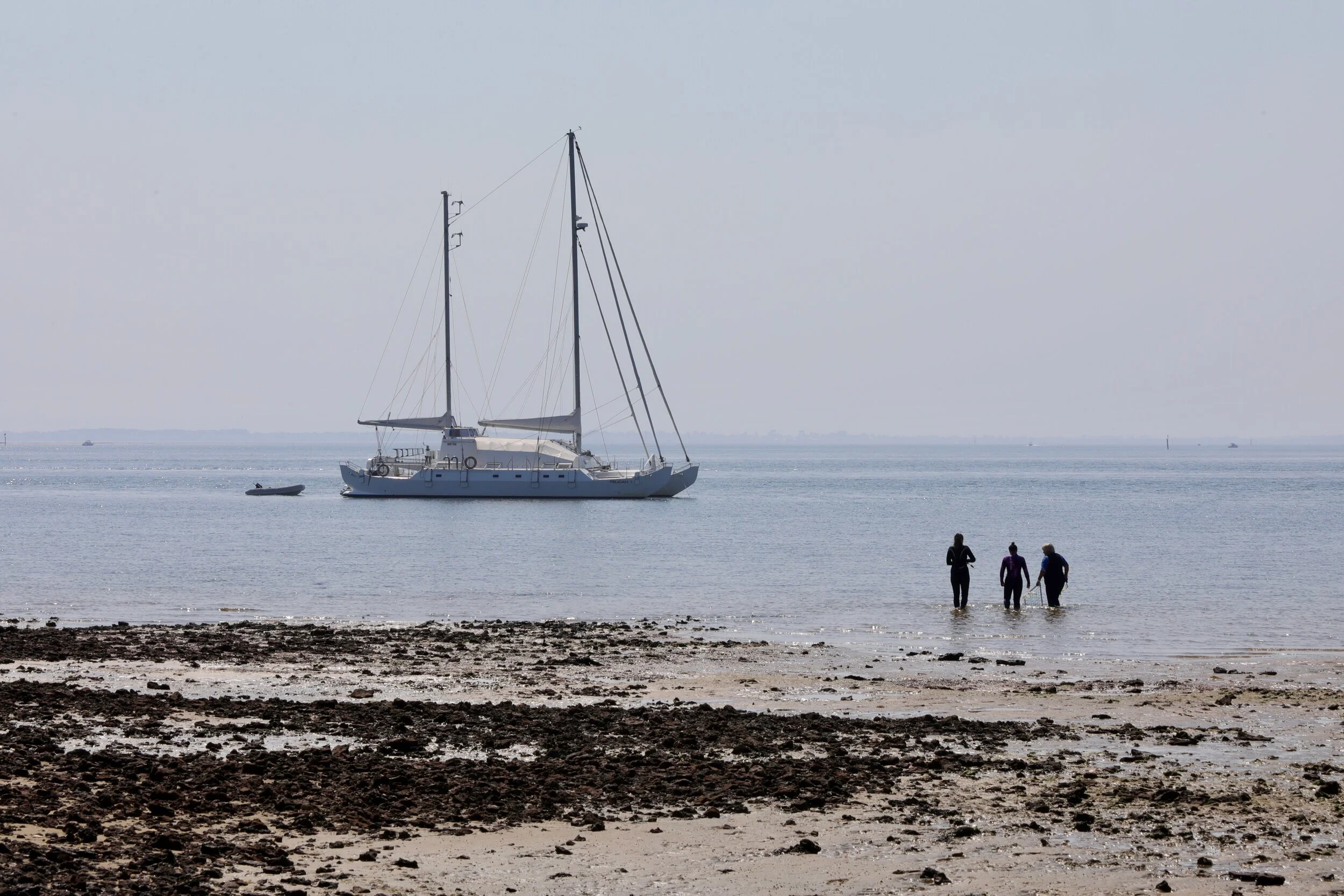
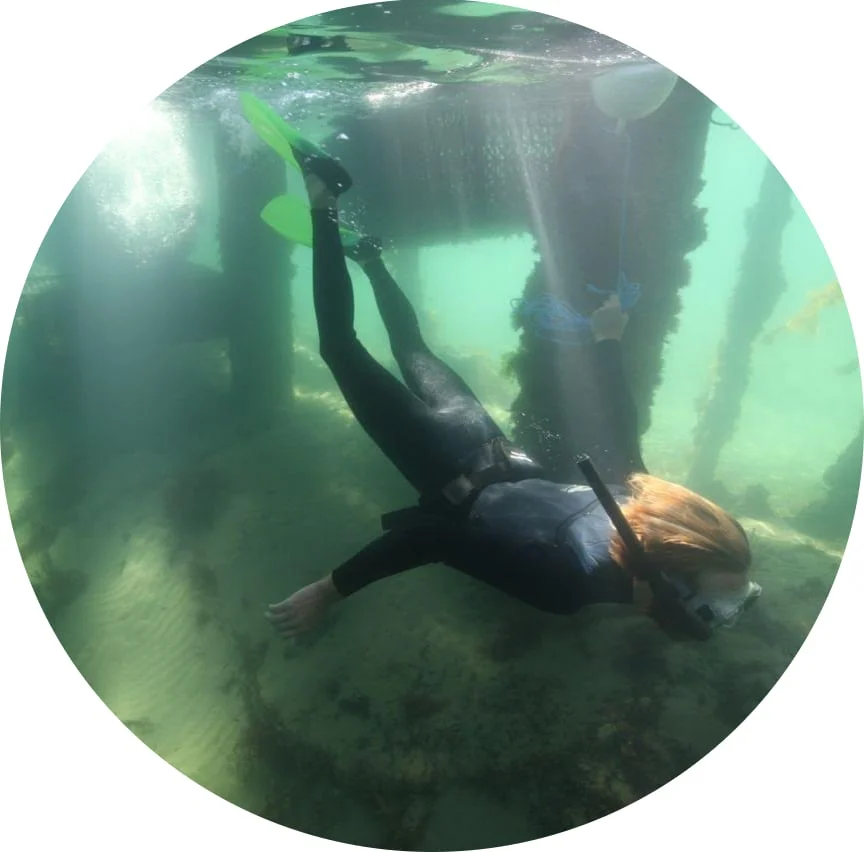
Port Phillip and Western Port support a range of highly important ecosystems and habitats, a diverse range of animals and plants. They are also an important part of the cultural heritage of the Kulin people.
Two Bays provides a unique opportunity for bay managers and stakeholders to build knowledge, engage coastal communities, and form partnerships. The program has created a curriculum based on the science and traditional knowledge of both bays.
Open the Two Bays file →
UNESCO-recognised Ocean Literacy case study with Guugu Yimithirr Traditional Owners.

Acoustic monitoring — pygmy blue & southern right whales, Backstairs Passage.

Sound walk & Saltwater forum — hydrophones, soundscape composition, deep listening.

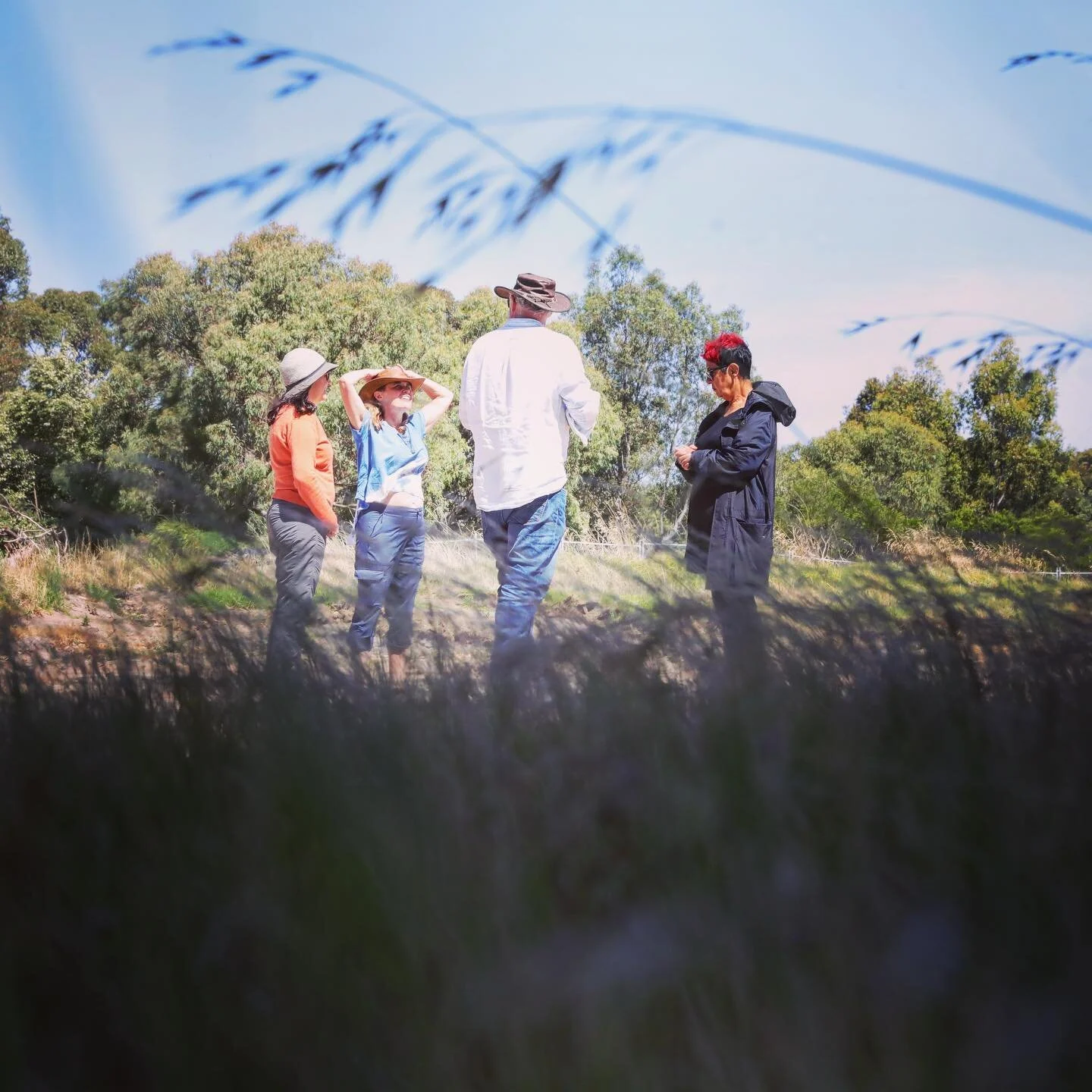
Urban rewilding on Boon Wurrung Country — a nine-hole golf course becoming healthy wetlands.

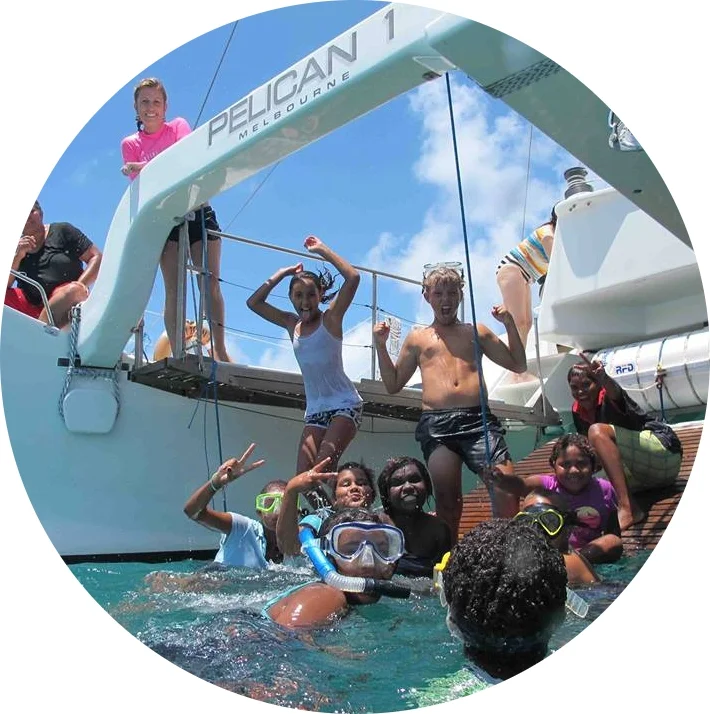
The origin story — documentary around Bass Strait Islands with kids from Melbourne's streets.

Curriculum co-design with Catholic primary schools — St Theresa's, Albion and others.
Traditional Ecological Knowledge generally incorporates wisdom and holistic values, raising opportunities to consider the long-term costs and benefits of actions affecting the environment. Every Ocean Literacy principle can be worked with Indigenous perspective embedded.
Most marks are voyages we've made more than once, often over years or decades, with the Traditional Owners of those waters.
Ocean Networks Canada hosted IPMEN at the University of Victoria, BC. We acknowledge the lək̓ʷəŋən peoples on whose traditional territory the campus stands.
Two Bays and the Hope Vale / Pelican project appear in UNESCO-IOC's report on Ocean Literacy. A shared moment.
The Elster Creek catchment is about 40 km². Most is concreted. We've installed a hydrophone at Monash Bridge, listening for creek critters.
Teachers, sound artists, deck hands, Traditional Owners, editors, donors — the Saltwater crew is larger than the vessel.